A Day of Discovery at UC Berkeley – November 2026
Some of the most exciting moments in philanthropy come from seeing firsthand the people and ideas behind the work we support.
Recently, I had the opportunity to spend a day at UC Berkeley visiting renowned neuroscientist Dr. Gül Dölen, who holds the Bob & Renee Parsons Endowed Chair, and her talented research team.
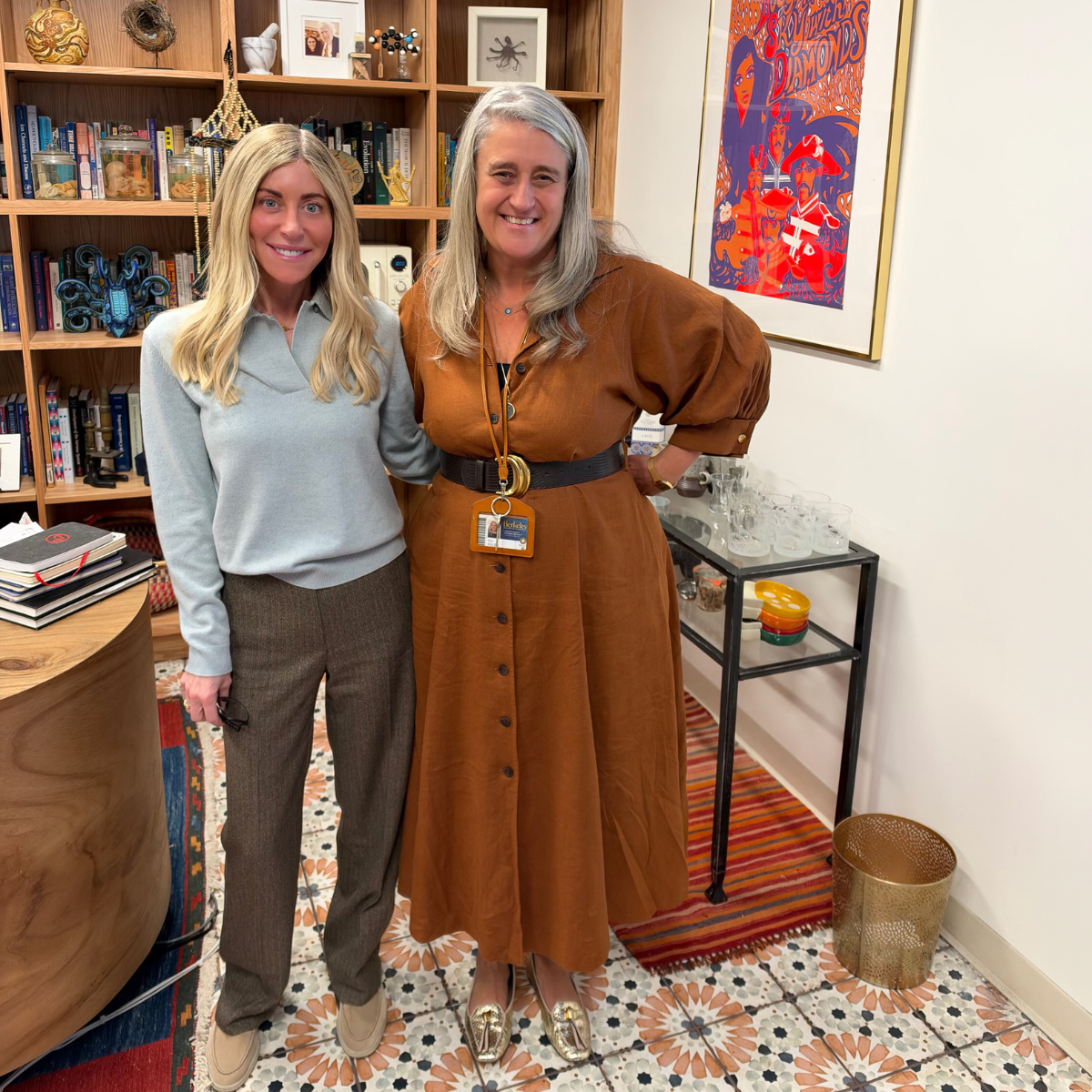
Gül’s work explores one of the most fascinating questions in neuroscience: Can the brain regain its ability to learn and adapt in ways we once thought were limited to childhood?
Her research focuses on what scientists call critical periods, windows of time when the brain is especially receptive to learning and change. By studying how psychedelics may reopen these windows, her team is exploring possibilities that could someday change how we approach healing and recovery.
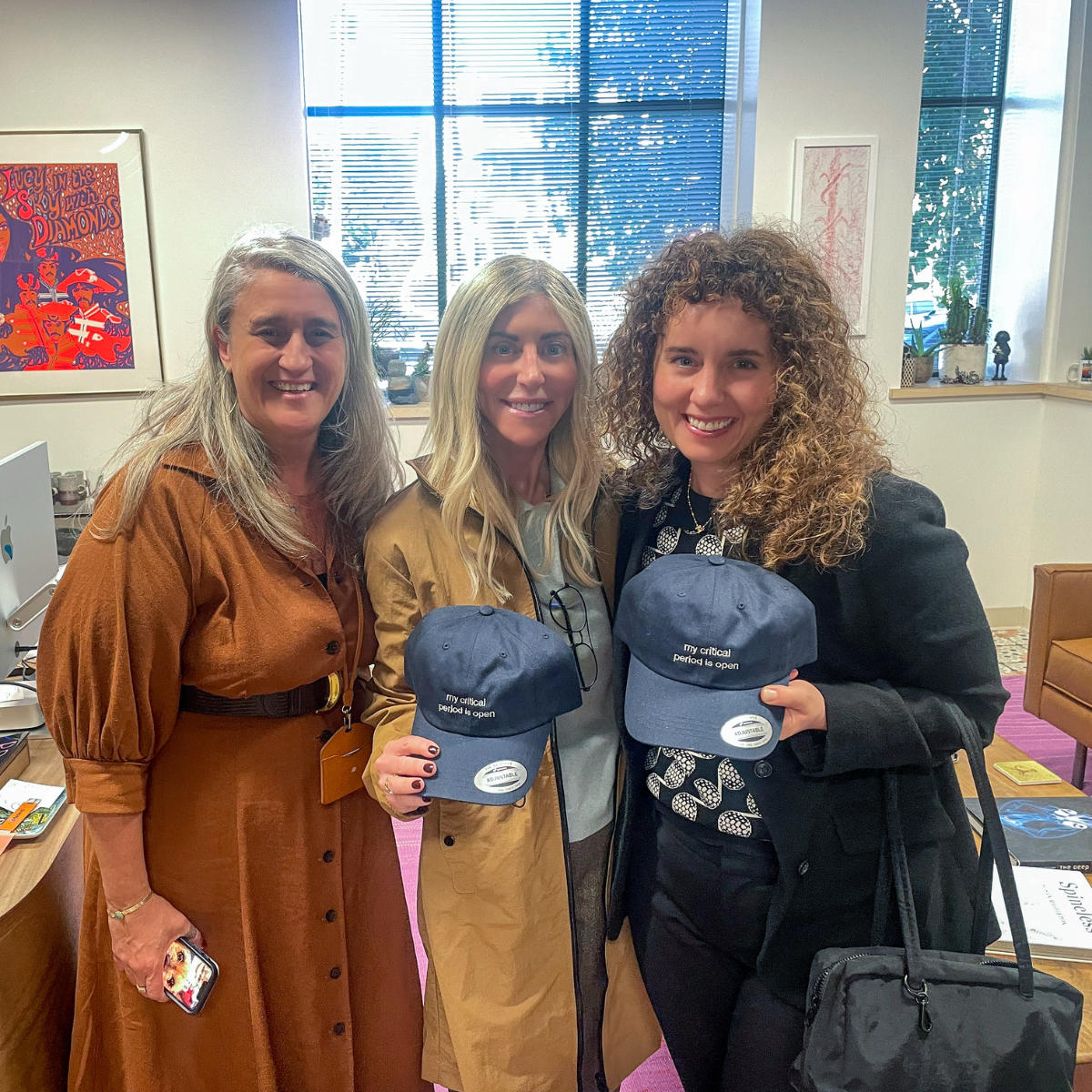
Touring Gül’s lab and meeting the students and researchers working alongside her was a highlight of the visit. Their curiosity, enthusiasm, and dedication were contagious. Gül even gifted us hats that read, “My critical period is open,” a playful nod to the very science they’re exploring! I also had the chance to feed a small octopus. These remarkable creatures are helping researchers explore important questions about the brain, behavior, and its capacity for change. It was certainly a first for me, and an experience I won’t soon forget.
One area of Gül’s research that particularly captured my interest is a clinical trial exploring whether psilocybin, combined with physical therapy, could help people regain movement and function long after experiencing a stroke. Conducted in collaboration with Johns Hopkins University, the early-stage study is investigating whether psychedelics can help reopen the brain’s capacity for learning and recovery. While there’s still much to learn, the possibility of helping stroke survivors regain abilities once thought lost is incredibly exciting.
After our visit, we enjoyed a wonderful dinner at Chez Panisse, Alice Waters’ iconic Berkeley restaurant that helped launch the farm-to-table movement more than 50 years ago. Known for its commitment to fresh, locally sourced ingredients, it was a special stop during our visit. We ended the evening with A Journey into Consciousness, a fascinating presentation featuring author Michael Pollan and neuroscientist Christof Koch. Although I was only there for the day, it felt like a quintessential Berkeley experience!
What stayed with me most was the extraordinary curiosity driving all of this work. There is still so much we don’t understand about the brain, but researchers like Gül and her team are asking bold questions and pursuing discoveries that could have a profound impact on human health and well-being.
Bob and I are grateful to support Gül’s work and the next generation of scientists helping move this research forward.
Sometimes the greatest discoveries begin with the courage to ask, “What if?”